
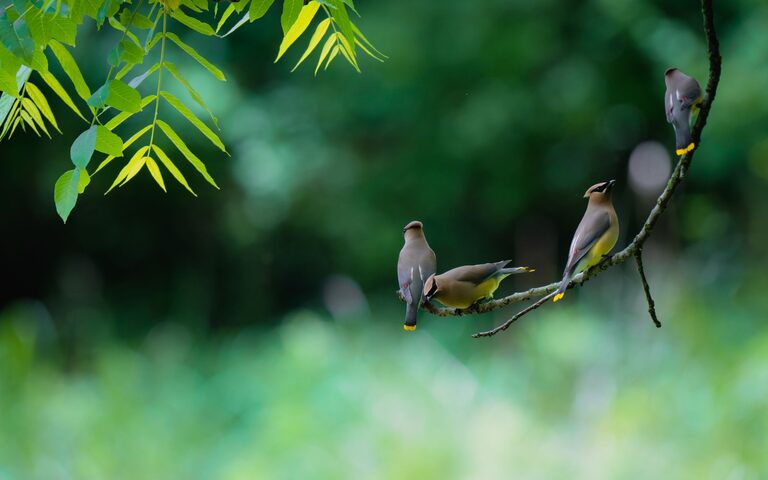
Birdwatching is a rewarding hobby that connects you with nature right in your own backyard. Whether you live in a city, suburb, or countryside, observing birds adds moments of calm and curiosity to your daily routine. If you’re new to birdwatching, these beginner tips will help you get started with confidence and ease.
Why Backyard Birdwatching?
Birdwatching doesn’t require a lot of special equipment or travel. Your backyard can become a vibrant stage for watching different bird species throughout the year. Watching birds can improve your mood, encourage mindfulness, and even teach you about local wildlife and ecosystems.
Getting Started: What You Need
1. Choose the Right Spot
Find a quiet, comfortable place in your yard where you can observe without disturbing the birds. Near windows, decks, or garden benches are great spots. Ensure you have a clear view of trees, shrubs, or feeders that attract birds.
2. Use Basic Equipment
– Binoculars: While not mandatory, a basic pair of binoculars enhances the experience by bringing birds closer into view.
– Field Guide or Birding App: Identifying birds becomes easier with a guidebook or a mobile app that shows pictures and descriptions of local birds.
– Notebook or Journal: Keeping notes on the birds you see, including dates and behaviors, can be both fun and educational.
Setting Up Your Backyard for Birds
1. Provide Food Sources
Bird feeders attract different species to your yard. Some common feeder types include:
– Seed Feeders: Attract finches, sparrows, and cardinals. Black oil sunflower seeds are a favorite.
– Suet Feeders: Great for woodpeckers and nuthatches, suet gives birds energy, especially in cold months.
– Nectar Feeders: Ideal for hummingbirds and orioles, filled with sugar water (four parts water to one part sugar).
2. Offer Water
Birds need fresh water for drinking and bathing. A birdbath—whether simple or decorative—is a wonderful addition. Keep the water clean and change it frequently to avoid mosquito breeding.
3. Create Shelter
Native plants, shrubs, and trees provide shelter and nesting spots for birds. Adding a birdhouse suited for local species can encourage birds to stay longer.
Tips for Observing Birds
1. Be Patient and Quiet
Birds may be shy at first. Remain still and speak softly or not at all. Patience often rewards you with close and natural bird behaviors.
2. Watch at Different Times
Bird activity varies throughout the day. Early mornings and late afternoons are peak times when many birds are feeding and active.
3. Record Your Observations
Note the types of birds, their colors, sizes, and behaviors. Over time, you’ll recognize patterns and possibly new species visiting your yard.
Learning and Enjoying More
1. Join a Birdwatching Community
Connect with local birdwatching groups or online forums to share sightings, tips, and experiences. This social aspect can make birdwatching more engaging.
2. Respect Wildlife
Always observe without disturbing nests or habitats. Avoid using pesticides and chemicals in your garden to keep birds safe.
3. Expand Your Knowledge
Books, documentaries, and apps can deepen your understanding of bird species, songs, and migration patterns.
Common Backyard Birds to Look For
Depending on your region, you might spot:
– Robins
– Blue Jays
– Cardinals
– Chickadees
– Sparrows
– Hummingbirds
– Woodpeckers
– Goldfinches
Conclusion
Backyard birdwatching is an accessible hobby that brings nature closer and lets you appreciate wildlife from your own home. By creating a welcoming environment and practicing simple observation techniques, you’ll find joy and discovery in everyday bird visits. Start small, stay curious, and watch your backyard come alive with feathered friends.
Happy birdwatching!